United Kingdom
What the source says
Referenced, awaiting primary-source reviewThe present design was established by an order in council following the Act of Union 1800. England: red cross of Saint George with white border; Scotland: white saltire of Saint Andrew on blue field; [Ireland]: red saltire of Saint Patrick with white border. Wales [is absent because] the earlier flag of Great Britain was designed while Wales was part of the Kingdom of England.
Referenced, not verified: a secondary work states this, and the document that constitutes the flag has not been read for this entry. What the marks mean.
Colors and meaning
Symbolism and history(r1)
The Union Flag layers England's Saint George's cross, Scotland's Saint Andrew's saltire and Ireland's Saint Patrick's saltire into one composite design, established in 1801 following the Act of Union 1800; Wales does not appear, as the earlier flag of Great Britain predated its separate representation.
Most similar flags
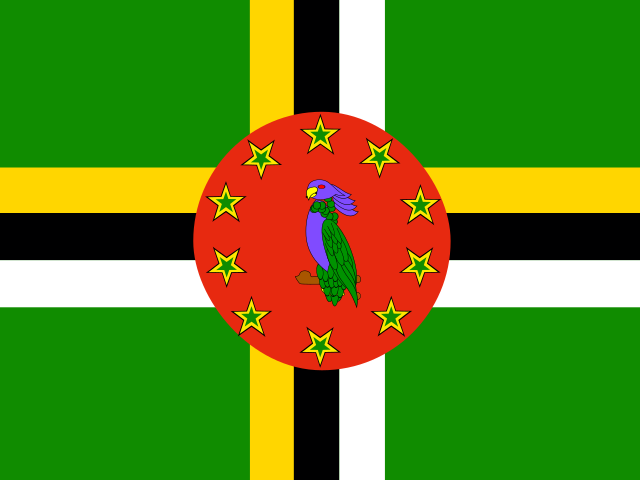
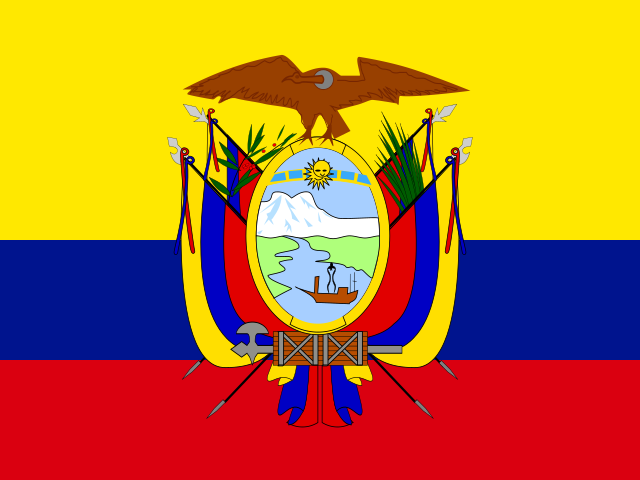
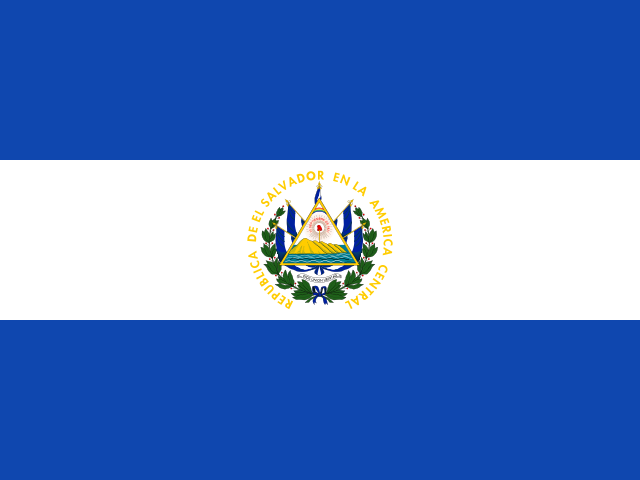
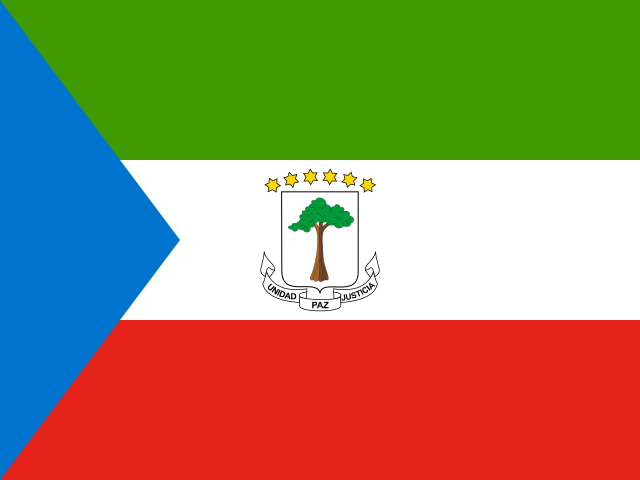
The 6 closest of the 194 other national flags, ranked by a similarity index computed from the flag images themselves. The number is that index, 0–100 — not a claim that the two flags are “X% identical”.
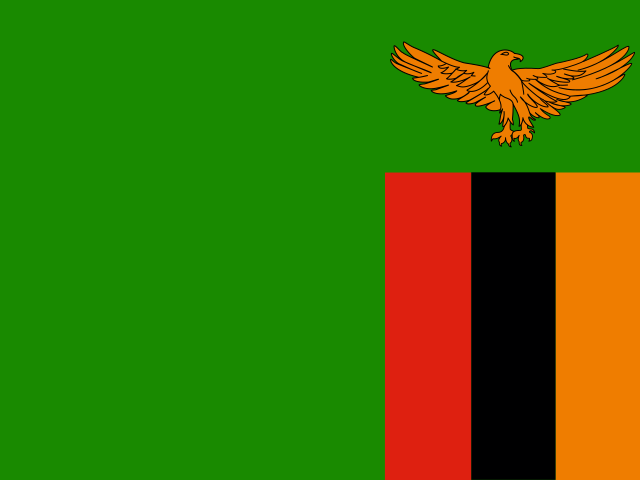
 Dominican Republic87
near-identical colour proportions.
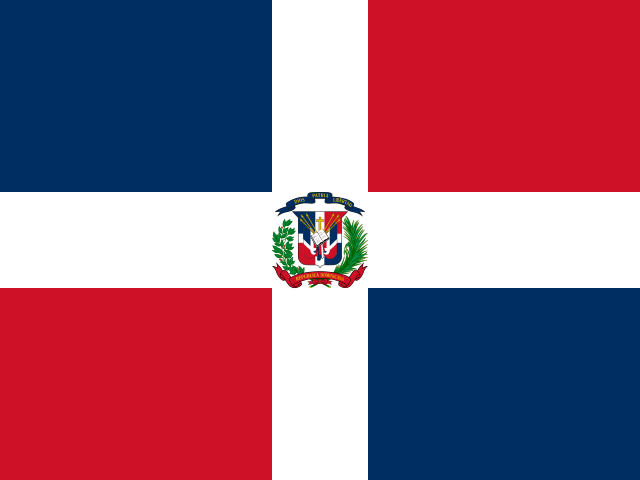
 Norway83
the same colours in similar amounts.
 Philippines82
the same colours in similar amounts.
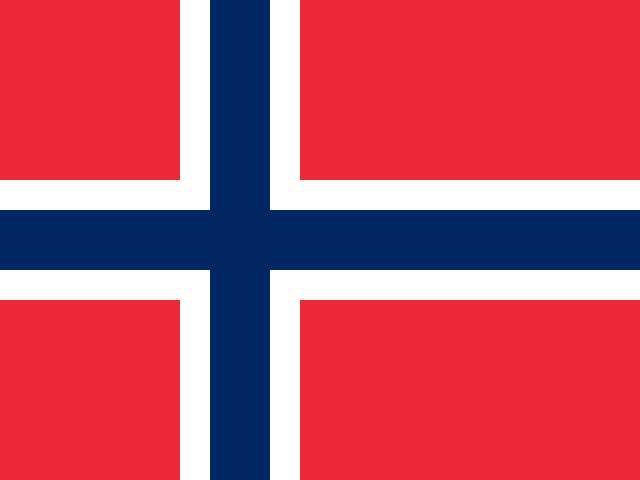
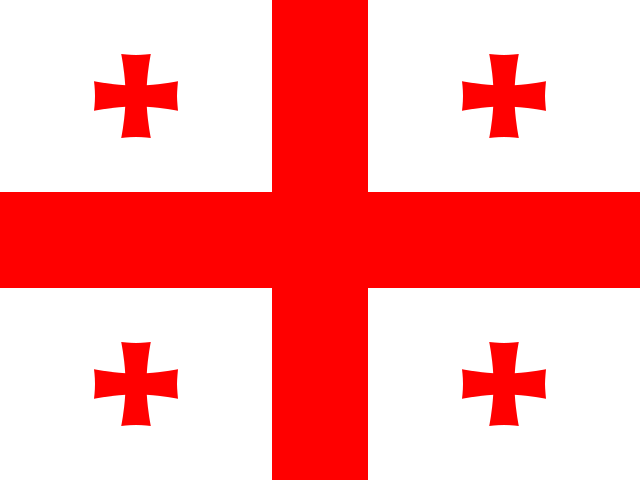 Georgia80
the same colours in similar amounts.
 Seychelles77
the same colours in similar amounts.
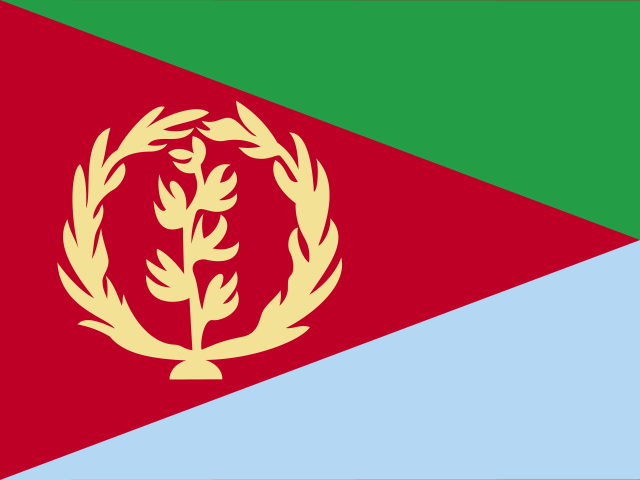 Eritrea76
the same colours in similar amounts.
Computed at build time: each flag is rasterised to 64x48, and the score is 0.55 × colour overlap + 0.45 × structure. A different weighting would rank these differently. How the index works.
References — not verification
(r1) Referenced to Union Jack (Wikipedia (English)) on 2026-07-17. States the adoption year, which colors the flag has, what the colors mean and the symbolism and history on this page. The passage it states them in is quoted at the top of this entry.
Further reading: Union Jack on Wikipedia