Tuvalu
What the source says
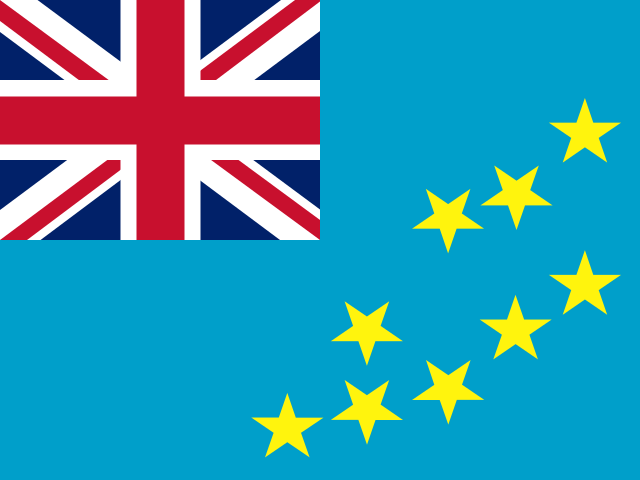
Referenced, awaiting primary-source reviewOriginal 1 October 1978; readopted 11 April 1997. A sky blue field rather than the conventional navy blue. The stars represent the nine islands which compose Tuvalu; the arrangement is geographically correct, with the east towards the top. [No specific meaning is stated for the blue field.]
Referenced, not verified: a secondary work states this, and the document that constitutes the flag has not been read for this entry. What the marks mean.
Colors
Light blue(r1) #69ABDC
Symbolism and history(r1)
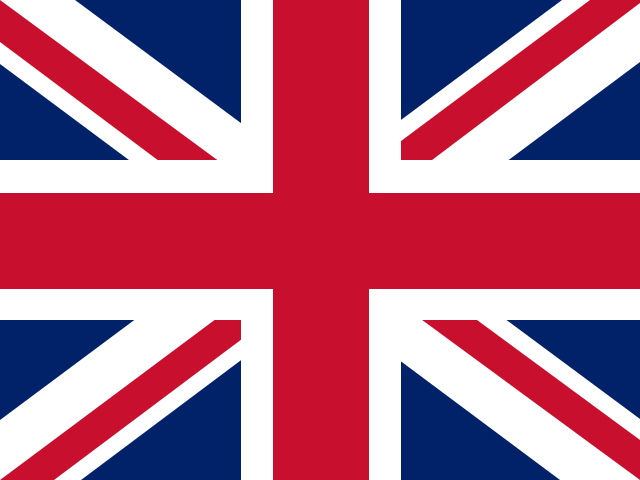
A Union Jack canton sits above a light blue field scattered with nine yellow stars, one for each of Tuvalu's nine islands, arranged in a geographically correct pattern with the east towards the top, adopted at independence from Britain in 1978.
Most similar flags
The 6 closest of the 194 other national flags, ranked by a similarity index computed from the flag images themselves. The number is that index, 0–100 — not a claim that the two flags are “X% identical”.
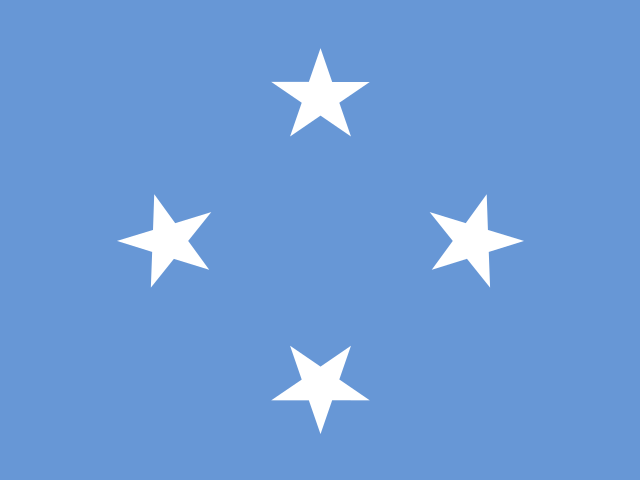
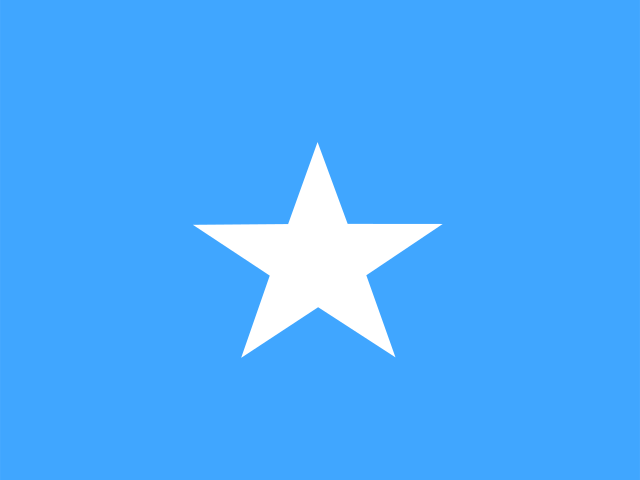 Somalia81
the same colours in similar amounts.
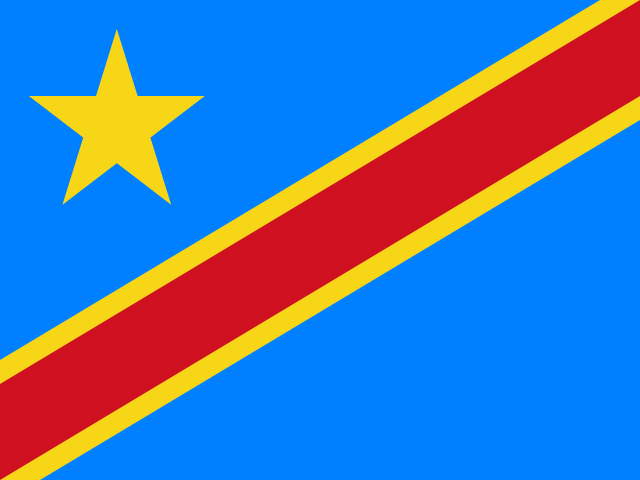 Democratic Republic of the Congo65
the same colours in similar amounts.
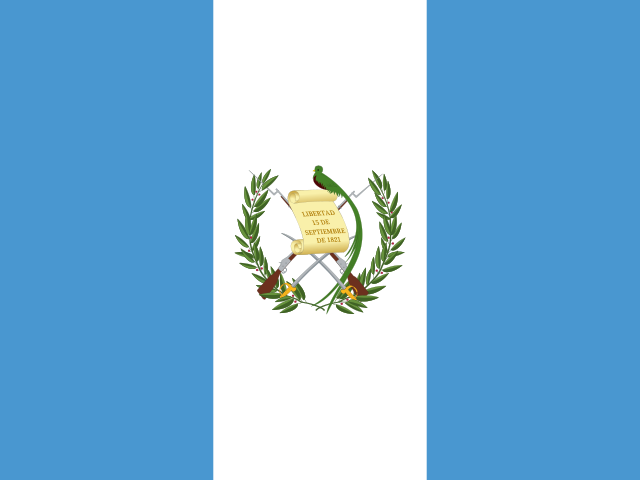 Guatemala63
the same colours in similar amounts.
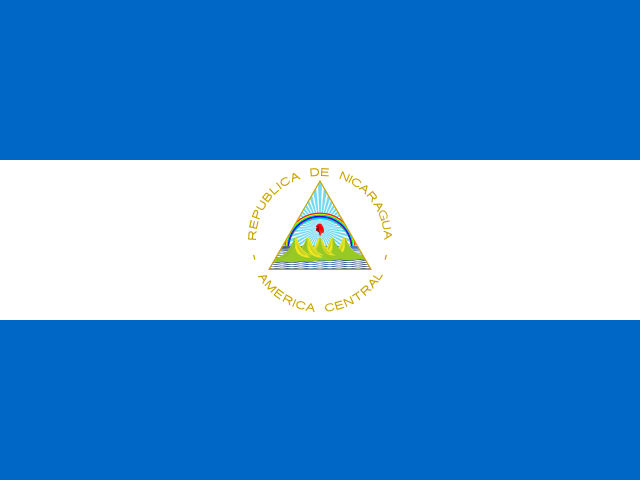 Nicaragua62
the same colours in similar amounts.
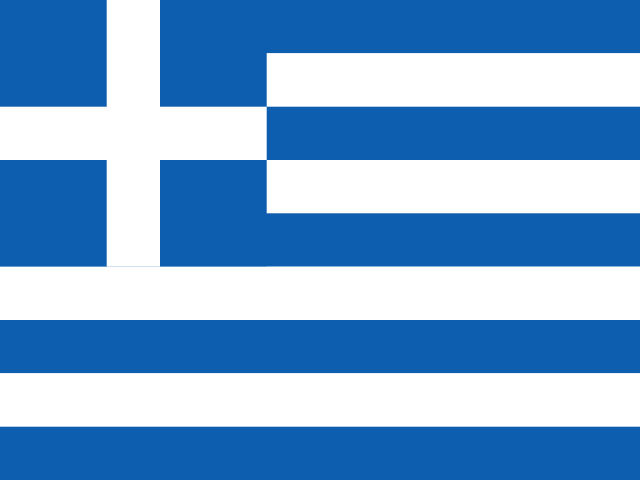 Greece57
the same colours in similar amounts.
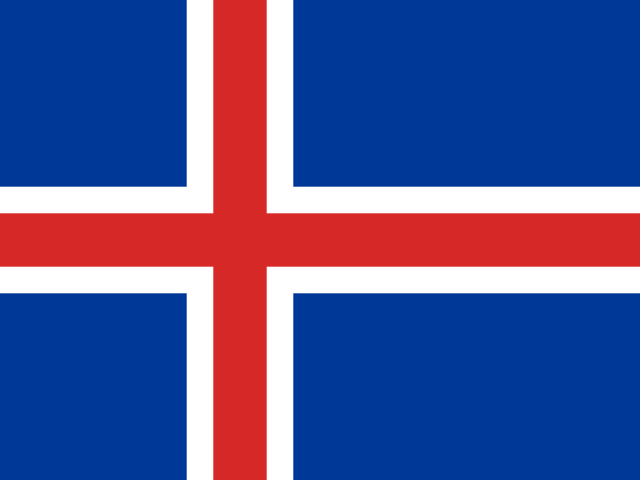 Iceland56
a similar overall colour and layout.
Computed at build time: each flag is rasterised to 64x48, and the score is 0.55 × colour overlap + 0.45 × structure. A different weighting would rank these differently. How the index works.
References — not verification
(r1) Referenced to Flag of Tuvalu (Wikipedia (English)) on 2026-07-17. States the adoption year, which colors the flag has and the symbolism and history on this page. The passage it states them in is quoted at the top of this entry.
Further reading: Flag of Tuvalu on Wikipedia