Kazakhstan
What the source says
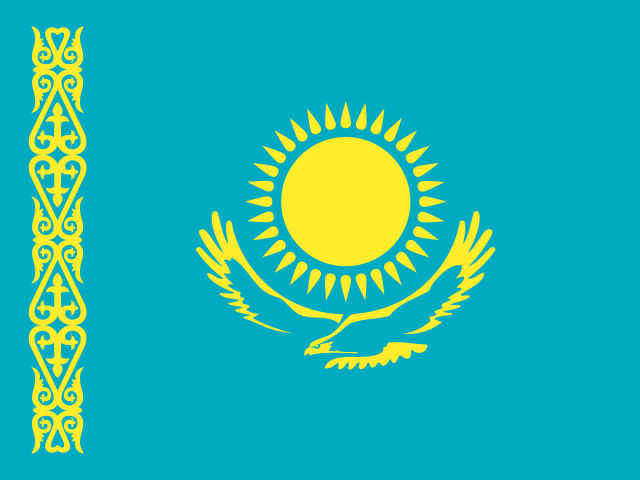
Referenced, awaiting primary-source reviewAdopted on 4 June 1992. The turquoise symbolizes cultural and ethnic unity [and] represents the endless sky as well as water. The sun, a source of life and energy, exemplifies wealth and plenitude; the sun's rays are shaped like grain. The eagle represents freedom, power, and the flight to the future. Designed by Shaken Niyazbekov.
Referenced, not verified: a secondary work states this, and the document that constitutes the flag has not been read for this entry. What the marks mean.
Colors and meaning
Symbolism and history(r1)
A golden sun with 32 rays, shaped like grains, hovers above a soaring steppe eagle representing freedom, power and the flight to the future, with a vertical band of traditional ornamentation at the hoist, adopted in 1992 after independence from the Soviet Union.
Most similar flags
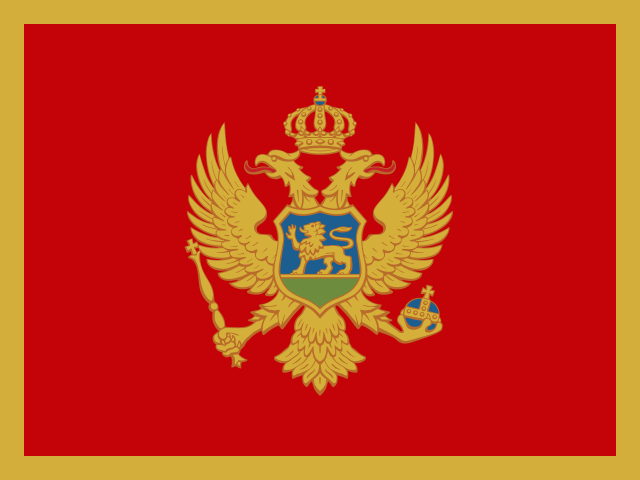
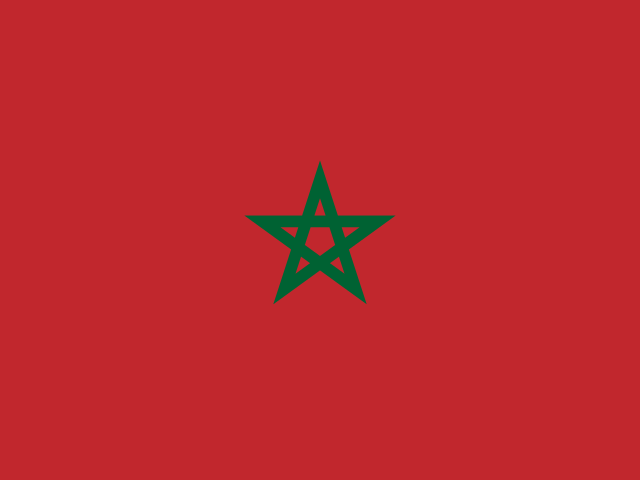
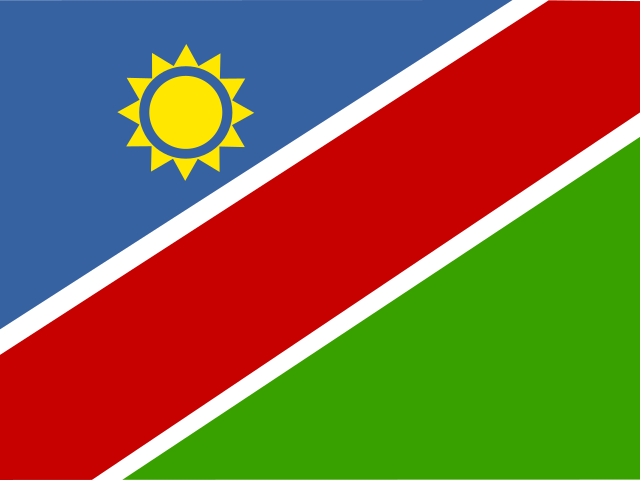
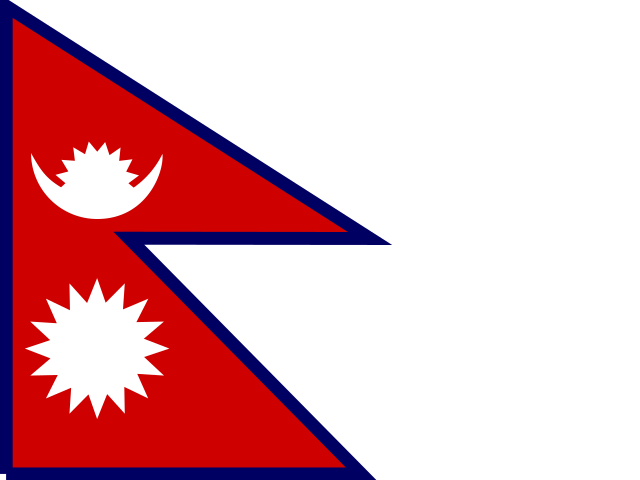
The 6 closest of the 194 other national flags, ranked by a similarity index computed from the flag images themselves. The number is that index, 0–100 — not a claim that the two flags are “X% identical”.
 Palau71
near-identical colour proportions.
 Botswana59
the same colours in similar amounts.
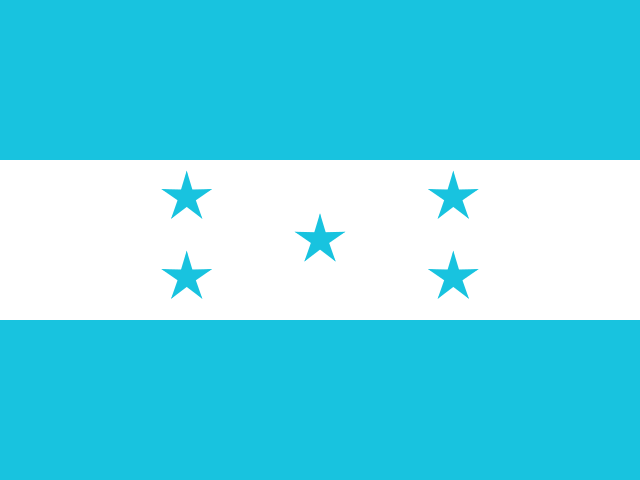 Honduras59
the same colours in similar amounts.
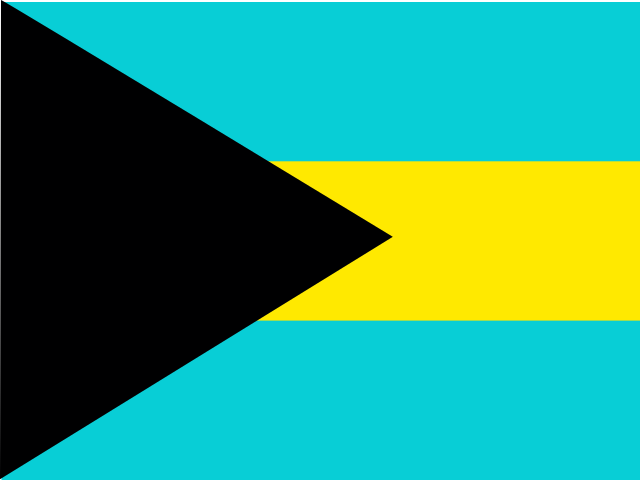 Bahamas54
similar colours in a different arrangement.
 Barbados41
the same vertical band layout.
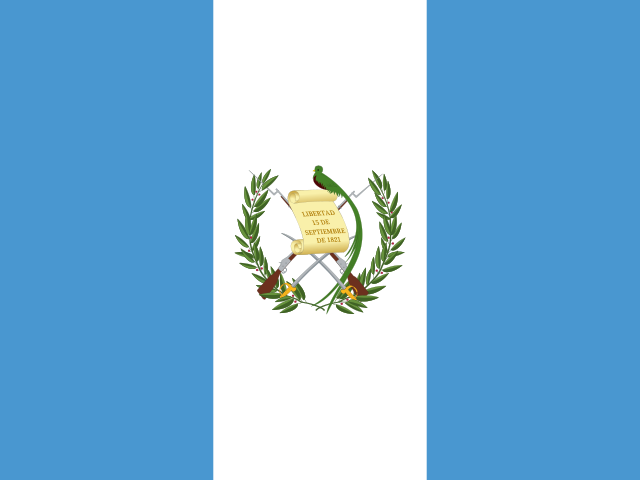 Guatemala41
the same vertical band layout.
Computed at build time: each flag is rasterised to 64x48, and the score is 0.55 × colour overlap + 0.45 × structure. A different weighting would rank these differently. How the index works.
References — not verification
(r1) Referenced to Flag of Kazakhstan (Wikipedia (English)) on 2026-07-17. States the adoption year, which colors the flag has, what the colors mean and the symbolism and history on this page. The passage it states them in is quoted at the top of this entry.
Further reading: Flag of Kazakhstan on Wikipedia