Portugal
What the source says
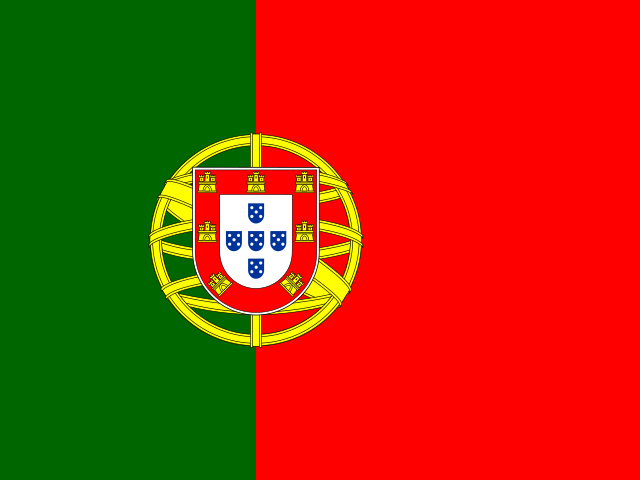
Referenced, awaiting primary-source reviewOfficially adopted on 30 June 1911. [Green] was not a traditional colour [...] during the 1891 insurrection, this was the colour present on the revolutionary flag [...] the colour Auguste Comte had destined [for] positivist nations. Red [is] the battling, warm, virile colour [...] Recalls the idea of blood and urges to achieve victory. The armillary sphere [was] an important astronomical and navigational instrument [and] became the symbol of [...] the Portuguese discoveries.
Referenced, not verified: a secondary work states this, and the document that constitutes the flag has not been read for this entry. What the marks mean.
Colors and meaning
Symbolism and history(r1)
A green-and-red vertical bicolor bears the national coat of arms and an armillary sphere, an astronomical and navigational instrument that became the symbol of the Portuguese discoveries, adopted in 1911 after the 1910 republican revolution.
Most similar flags
The 6 closest of the 194 other national flags, ranked by a similarity index computed from the flag images themselves. The number is that index, 0–100 — not a claim that the two flags are “X% identical”.
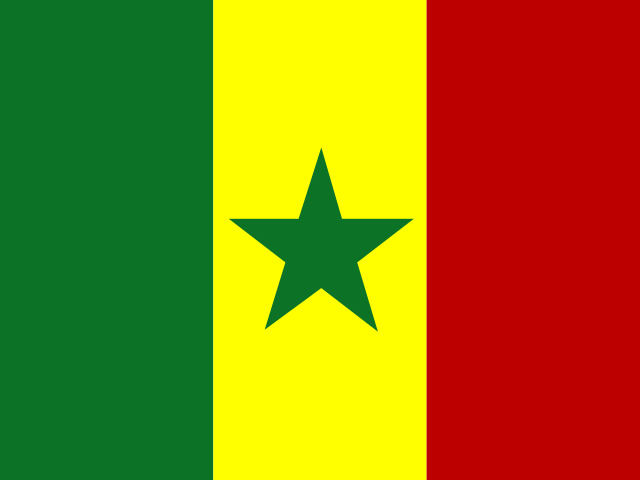 Senegal79
the same vertical band layout; the same colours in similar amounts.
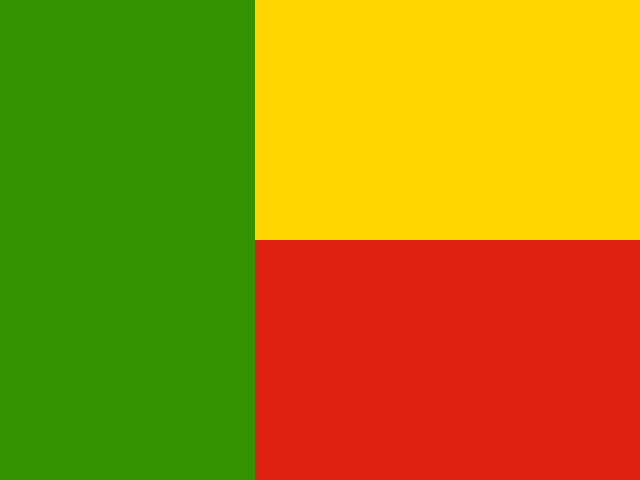 Benin78
the same vertical band layout; the same colours in similar amounts.
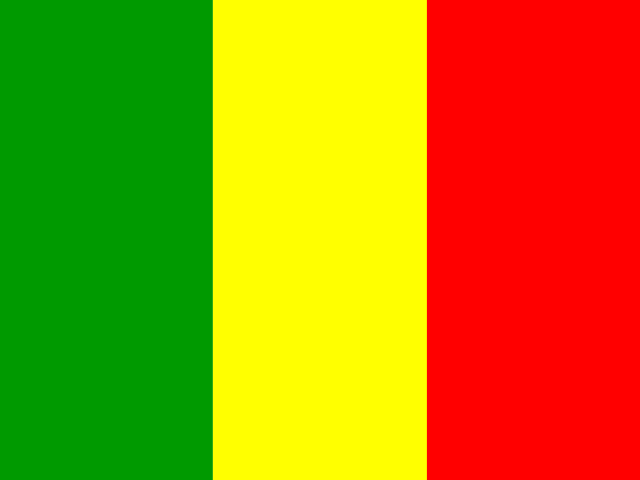 Mali78
the same vertical band layout; the same colours in similar amounts.
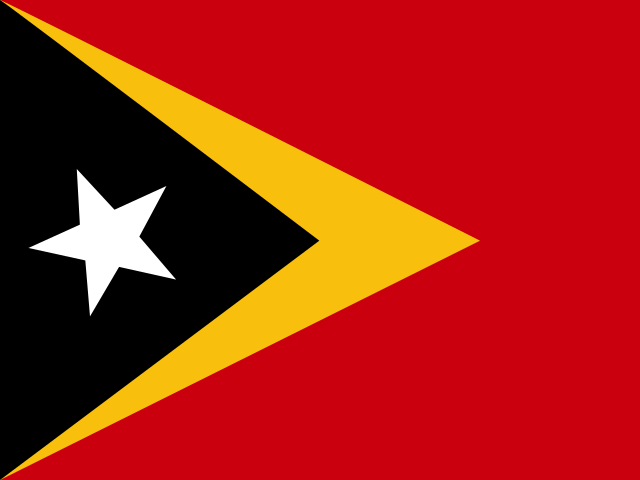 Timor-Leste76
the same vertical band layout; the same colours in similar amounts.
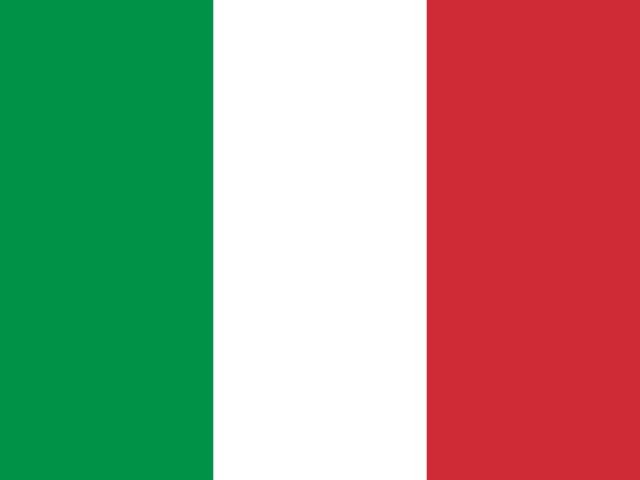 Italy74
the same vertical band layout; the same colours in similar amounts.
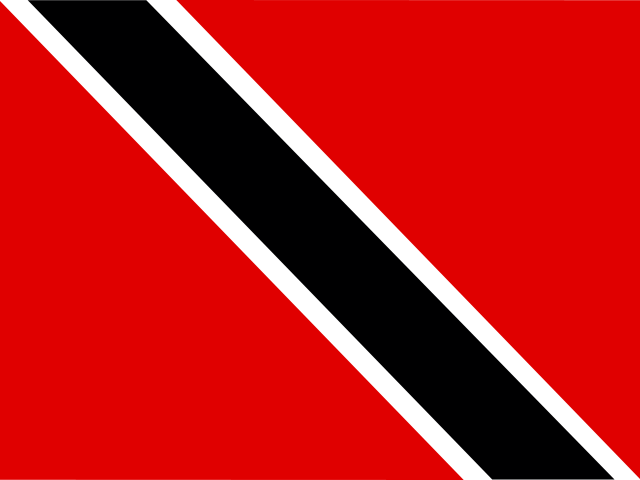 Trinidad and Tobago72
the same vertical band layout; similar colours in a different arrangement.
Computed at build time: each flag is rasterised to 64x48, and the score is 0.55 × colour overlap + 0.45 × structure. A different weighting would rank these differently. How the index works.
References — not verification
(r1) Referenced to Flag of Portugal (Wikipedia (English)) on 2026-07-17. States the adoption year, which colors the flag has, what the colors mean and the symbolism and history on this page. The passage it states them in is quoted at the top of this entry.
Further reading: Flag of Portugal on Wikipedia